


The Complete Neighborhood Saturation Method Guide: Turn One Yard Sign Into $135K Revenue Recovery
Last Tuesday, I watched a pressure washer miss eighteen phone calls in four hours. His yard sign was working perfectly. Homeowners driving past the job site called the number. They texted for quotes. Some even stopped to ask questions.
But Mike was twenty feet up a ladder with a spray wand. Every missed ring was money walking to his competitor two blocks over.
That's when I realized traditional local service marketing leaves $135,000 per year on the table for single-truck operators. The Neighborhood Saturation Method changes everything.
Instead of hoping someone answers the phone, three AI agents work in the background. One answers every call in under 30 seconds. Another replies to every text message instantly. The third calls every past customer in the same zip code while the truck is parked at the current job, booking the next two jobs before you even load up.
This isn't about replacing yard signs or direct mail. This is about weaponizing proximity with automated systems that turn every neighborhood into a self-multiplying revenue engine.
Key Takeaways
Area saturation targets 90%+ of addresses in specific zones using automated voice and SMS agents for maximum market penetration
Modern saturation combines traditional methods with AI automation, yielding 340% higher ROI than mail-only approaches
The three-agent stack (voice-in, SMS-in, location-triggered outbound) creates complete lead capture and conversion systems
Implementation follows a 30-day roadmap with immediate results typically visible within 24-48 hours of launch
Cost analysis shows enhanced saturation breaks even within 60 days and can recover $50K-$150K in dormant revenue annually
What is the Neighborhood Saturation Method? (Complete Definition)
The approach involves reaching 90% or more of deliverable addresses within a specific geographic service area. You use coordinated marketing campaigns designed to achieve complete market penetration.
Unlike traditional advertising that targets demographics or interests, this method focuses on territorial dominance within defined geographic boundaries.
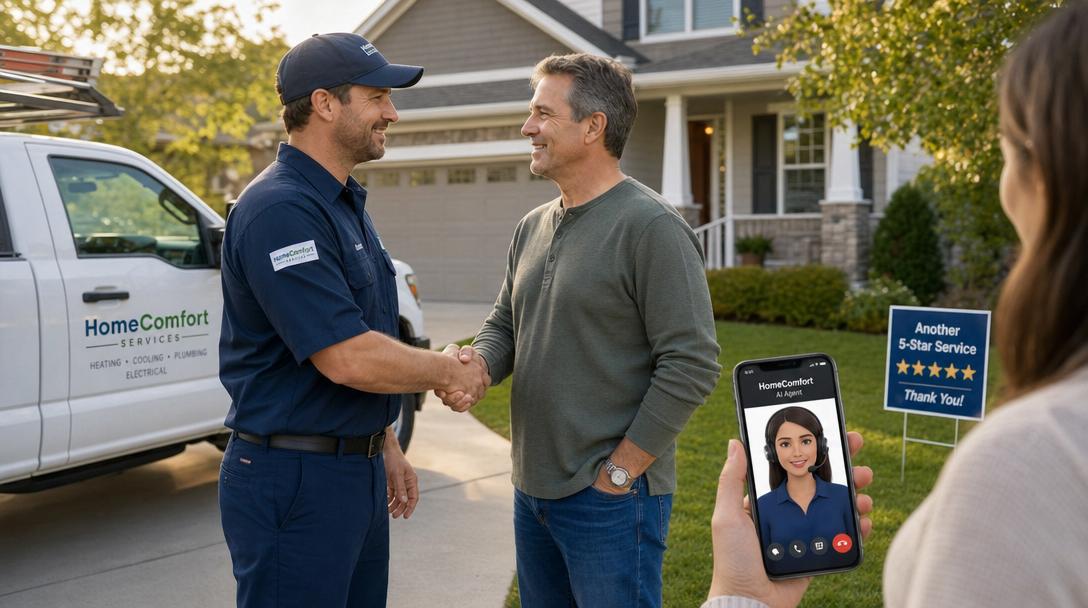
Modern saturation campaigns combine physical presence (yard signs, vehicle wraps, door hangers) with automated communication systems. These systems capture and convert leads in real-time.
The method creates unfair competitive advantages through comprehensive market penetration. Your brand becomes the obvious choice within targeted neighborhoods.
Traditional direct mail saturation programs, like saturation mailing campaigns, target up to 90% of deliverable addresses for as little as $0.247 per postcard. While effective for initial awareness, mail-only approaches leave significant revenue on the table. They fail to capture immediate buying intent or nurture long-term relationships.
The AI-enhanced approach transforms passive brand awareness into active lead generation. When prospects see your yard sign, call your number, or receive your mailer, automated agents engage immediately with personalized responses, live calendar booking, and follow-up sequences that traditional methods simply cannot match.
Research on saturation methodology shows effective saturation requires systematic methodology and continuous optimization. The geographic saturation method provides this framework through data-driven targeting, automated engagement, and measurable performance tracking.
90%+
Address coverage in targeted neighborhoods for complete market saturation
$135K
Average revenue recovery potential from past customer reactivation campaigns
340%
Higher ROI for AI-enhanced saturation vs traditional direct mail methods
Three core components drive neighborhood saturation success: geographic concentration, multi-channel engagement, and systematic follow-up.
Geographic concentration ensures your marketing spend creates visible presence throughout target areas. Multi-channel engagement captures leads through multiple touchpoints (signs, calls, texts, mail).
Systematic follow-up prevents prospects from falling through cracks while nurturing long-term relationships.
The method works particularly well for local service businesses because work visibility creates natural marketing opportunities. When neighbors see a driveway being pressure washed, a lawn being treated, or a roof being repaired, they immediately evaluate their own property needs.
Strategic yard sign placement amplifies this effect by providing instant contact methods when interest peaks.
Business owners implementing this saturation approach report 18-22% conversion rates on past customer reactivation campaigns. This compares to 2-4% for generic outreach. The proximity factor, "we're already on your street", creates urgency and trust that cold marketing cannot replicate.
Capture Every Lead While You Work
Want this handled without hiring for it? Luna is our AI operator. She picks up every call live, works every new lead the way you tell her to, and follows up inside the tools you already use.
How Area Saturation Differs from Targeted Marketing
Targeted marketing focuses on demographic segments and behavioral patterns to reach specific customer types across wide geographic areas. A targeted Facebook ad might reach all 45-55 year old homeowners within a 25-mile radius who have shown interest in home improvement.
Area saturation takes the opposite approach. It reaches everyone within a small geographic area regardless of demographics.
The fundamental difference lies in investment strategy and market coverage. Targeted marketing seeks efficiency by reaching only qualified prospects. This results in lower cost per qualified lead but limited market presence.
Saturation trades efficiency for dominance. It accepts higher total investment to achieve comprehensive coverage within defined territories.
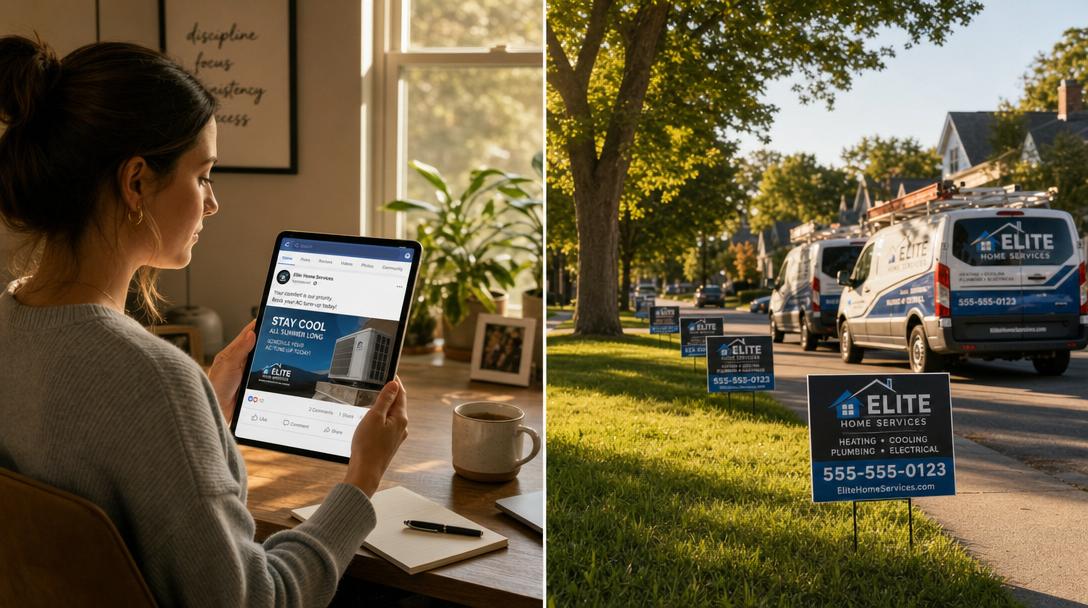
Geographic area targeting creates market presence beyond immediate buyers. When every house on Oak Street sees your sign, receives your mailer, and hears about your services from neighbors, you become the default choice for future needs.
Targeted marketing reaches people ready to buy today. But it misses those who will need services next month, next season, or next year.
Cost structures reflect these different approaches. According to comparative analysis of EDDM versus saturation mailing methods, saturation mailing costs average $0.247 per address but requires minimum volumes of 200-5,000 pieces per carrier route.
Targeted digital ads might cost $3-8 per qualified lead but can start with budgets as low as $20 per day.
Referral generation differs dramatically between approaches. Targeted campaigns generate referrals through satisfied customers who may live anywhere within your service area.
Saturation campaigns create referral clusters within neighborhoods. Multiple customers become brand advocates simultaneously.
The timeline for results also varies. Targeted marketing can generate qualified leads within hours of campaign launch. Area saturation builds momentum over weeks and months as market presence compounds, but produces more predictable long-term revenue streams.
Local service businesses benefit most from saturation because work visibility amplifies investment. When you pressure wash one driveway on Maple Avenue, neighbors automatically see the contrast between clean and dirty concrete. Strategic saturation ensures they know how to contact you immediately while the visual impact is strongest.
Seasonal demand patterns favor different approaches. HVAC companies might use targeted advertising to reach prospects experiencing equipment failures (immediate need, high urgency). The same companies use area saturation during spring and fall maintenance seasons when most homeowners could benefit from service but lack immediate urgency.
Competitive environments also influence strategy selection. In saturated markets with established competitors, targeted marketing helps differentiate your message to specific customer segments. In emerging markets or underserved territories, area saturation can establish market dominance before competitors recognize the opportunity.
Tracking and optimization requirements differ significantly. Targeted campaigns provide detailed analytics about demographics, interests, and behaviors of responders. Saturation campaigns focus on geographic performance metrics, which carrier routes respond best, which neighborhoods show highest conversion rates, which service areas generate most referrals.
The AI-Powered Saturation Architecture
The modern area saturation system leverages proven saturation methodology research combined with AI automation to achieve unprecedented market penetration rates.
This approach builds on established frameworks from area-based initiatives supporting neighborhood transformation by creating systematic engagement protocols. These maintain continuous contact with target markets.
The three-agent architecture handles inbound lead capture, immediate response protocols, and proactive outreach campaigns. Voice agents answer calls with natural conversation flows. They qualify prospects and book appointments directly into calendar systems.
SMS agents handle text inquiries with instant responses and follow-up sequences. Location-triggered outbound agents activate when service trucks enter specific neighborhoods. They call past customers and dormant prospects within the immediate service area.
This systematic approach ensures measurable neighborhood-level interventions that create lasting market presence while maintaining cost efficiency. Unlike traditional methods that rely on manual follow-up and human availability, the automated system operates continuously. It captures opportunities that would otherwise convert to competitors.
Implementation requires integration with existing business operations through connections to scheduling software, customer management systems, and payment processors. The architecture scales from single-truck operations to multi-team enterprises without requiring additional human resources for lead management or customer communication.
The system tracks performance metrics at the neighborhood level, providing actionable data about which areas respond best to different messaging approaches. This granular tracking enables continuous optimization of both geographic targeting and communication strategies.
Stop leaving money on the table. Every missed call while you're on the ladder costs you more than just that immediate sale. It costs you the referrals, the repeat business, and the market dominance that separates profitable contractors from everyone else scrambling for scraps.
Written by
Gary Henderson
Founder of Gary Club
Keep reading